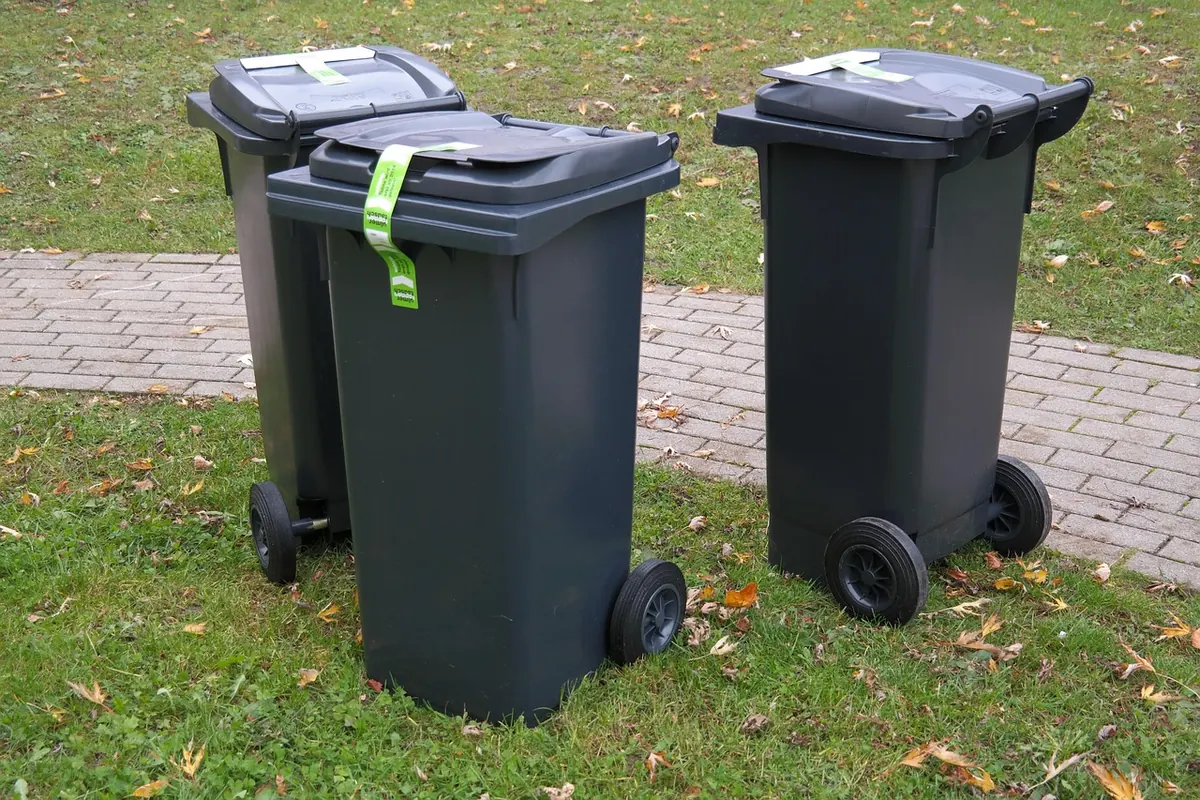
Two bins, one collection day, and a nagging feeling that something in the recycling box doesn't belong there. If that sounds like your kitchen routine, Somerset's new recycling rules are worth ten minutes of your attention — not because they're complicated, but because they're stricter.
The short version: what you put out is checked more closely, and a container holding the wrong items can be left at the kerb or treated as rubbish. The longer version is below, covering what goes where, why your collection day may have shifted, and the handful of mistakes that cause most of the trouble.
The accepted list hasn't shrunk so much as sharpened. Clean, empty and dry is the standard for anything going into the recycling container. A tin with beans still in it isn't recycling; a tin rinsed under the tap is.
Broadly, these are the materials kerbside collections are set up to take:
If it isn't on that list, treat it as refuse until you've checked.
Rinsing matters more than people expect. A yoghurt pot with a spoonful left in it will be fine. A tray swimming in cooking oil can spoil a whole load of paper.
The bigger practical change for most households is rhythm rather than material. Many rounds now run on an alternating pattern: one week for refuse, the next for recycling, with food waste collected every week. If you've been putting both containers out on the same day for years, that habit will now cost you a missed collection.
Two things are worth doing this week. First, find your street's current calendar — the council's website lets you look it up by postcode, and a printed copy is usually available if you'd rather have it on the fridge. Second, note the bank holiday shifts. Collection days often move by a day or two around public holidays, and the week that follows stays out of step until it settles back.
Put containers out the night before, or by whatever time your calendar states. Bins left at the kerb after the lorry has passed generally wait a fortnight — a long time for a food caddy in July.
Crews and sorting staff see the same handful of problems again and again. Fixing these five solves most kerbside rejections:
Food waste is collected weekly across most of the county, and it's the one stream where a household can make a visible difference quickly. Keeping scraps out of the refuse bin cuts smells, takes weight out of your rubbish, and gives the material a chance to be turned into something useful rather than buried.
The practical bits: line your caddy, keep a small one on the worktop so you actually use it, and empty it into the outside container every couple of days in warm weather. Cooked food, raw scraps, plate scrapings, tea bags, coffee grounds, eggshells and out-of-date food all go in. Packaging doesn't. If you use compostable liners, check which type your council accepts. And if you have a garden, a home compost bin handles vegetable peelings well and saves the walk to the kerb.
On-pack recycling labels are a reasonable starting point, but they describe national infrastructure, not your street. Something marked "widely recycled" may still not be collected where you live. The reliable check is your council's A to Z of materials; a thirty-second search beats a rejected bin.
If you're still unsure, put it in the general waste. That feels wrong, but contaminating a load of otherwise good material does more harm than binning one item.
Households in flats, shared buildings or above shops often have different arrangements, so check with your managing agent rather than assuming the kerbside rules apply. Garden waste collection is a subscription service you opt into and pay for separately, so it's worth weighing up against a home compost bin or a trip to the recycling centre.
That's the whole job: ten minutes with the calendar, a quick rinse routine, and
Photo: Hans / Pixabay
From permits and insurance to potluck sign-ups and the final sweep, a practical checklist for organizing a...

A first-timer's guide to Somerset High School football on Friday nights: ticket prices, parking, seating,...

Somerset's small plaques, boundary stones and flood marks remember the people and trades the grand monuments ignore....

Local news and stories from Somerset.
