
A winter storm in Somerset rarely arrives the way the forecast promises. It might come as eight inches of heavy snow, or as two inches of sleet followed by rain and a hard freeze that turns every step into a gamble. Either way, the households that get through it comfortably are almost never the ones scrambling at the last minute. They are the ones who filled a few jugs of water in November, moved the flashlights back to the kitchen drawer, and know where the snow shovel actually is.
Here is a practical checklist for the days before a storm. None of it is expensive, and most of it takes an afternoon.
Assume the power could be out for a day, maybe three. That single assumption drives most of the list below.
Keep the refrigerator and freezer doors shut. A freezer that is packed full holds its cold longer than one that is half empty, so if you have space to spare, move items together. When in doubt about food that has been warm for hours, throw it out.
Most winter storm injuries in a county like ours do not come from the snow. They come from the things people plug in or run to get around it.
Space heaters need three feet of clear space, a flat surface, and a wall outlet — not an extension cord or a power strip. Turn them off before you sleep or leave the room. If you use a generator, it stays outside, well away from doors, windows, and vents, because exhaust that drifts back inside is colorless and deadly. The same goes for charcoal grills and camp stoves. A carbon monoxide alarm on each floor is cheap, and worth the batteries.
Never run a car in a closed garage to warm it up. If you are stuck in snow with the engine running, make sure the tailpipe is clear first.
Open the cabinet doors under sinks that sit against outside walls, and let a thin stream of water run from the faucet furthest from where the water enters the house. Hold the thermostat steady instead of letting the house cool overnight. If someone in your household depends on powered medical equipment or refrigerated medication, call their doctor or pharmacist before the storm to ask what to do during an outage.
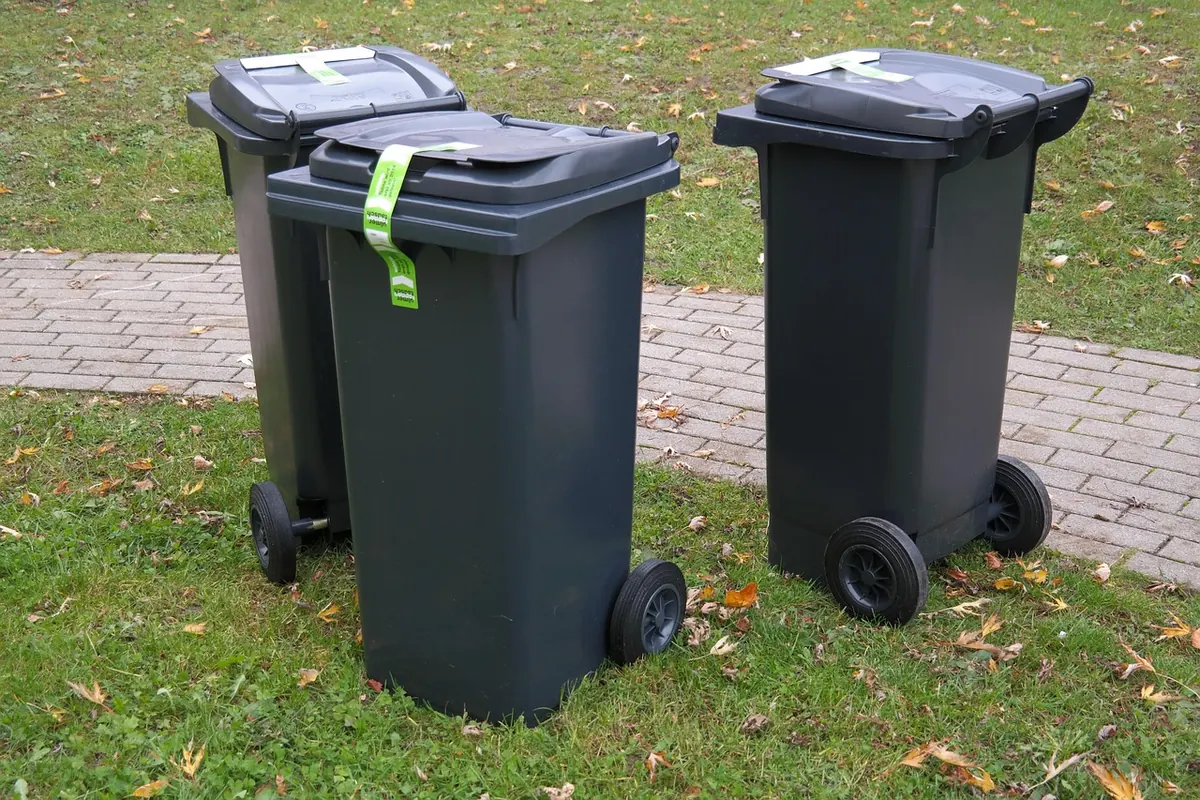
Outdoors: put away hoses and patio furniture, secure the trash cans, and clear leaves from the downspouts. Stake the edges of your driveway so a plow driver can see where the pavement ends, and shovel out the fire hydrant near your property — crews cannot clear what they cannot find. Pick up ice melt or sand before the shelves empty. Rock salt stops working in extreme cold, so a bag of sand or kitty litter for traction is not a waste of space.
Indoors: run the dishwasher and the laundry, take showers, charge devices, and cook something you can eat cold tomorrow. A house that goes into a storm with clean clothes and a full stomach handles a dark evening better.
Keep the gas tank above half. A full tank is a heater and a phone charger if you end up waiting on a closed road. Top off the washer fluid with the winter mix, check the tires, and clear the whole windshield and roof before you drive — snow sliding off a roof onto the car behind you causes real crashes.
Tell someone your route and your expected arrival time, even for a short trip. Stay well back from plow trucks and never pass one on the right; the driver cannot see you and the wing blade is wider than it looks. If you get stuck, stay with the car, run the engine only long enough to warm up, and check the tailpipe each time.
Bring pets inside before the storm starts, not when the freezing rain does. Cats that normally roam should stay in. Wipe paws after every walk — ice, salt, and ice-melt chemicals irritate skin, and pets lick them off. Antifreeze is a serious poison and it tastes sweet, so clean up spills in the driveway right away and keep the bottle sealed and out of reach.
Keep dogs away from ponds and streams. Ice that looks solid near the shore is often thin a few feet out. Check that collars and tags are on and current, and set aside a few extra days of food and any medication.
Before the storm, call the neighbors you would call anyway — the older couple on the corner, the family with a newborn, anyone who lives alone. Ask whether they have what they need and whether they could heat one room if the power fails. Offer to pick up prescriptions or groceries while the roads are still clear.
Agree on a check-in time with relatives so nobody is guessing, and write two or three phone numbers on paper. A phone with a dead battery is a paperweight.
Stay home if you can. The roads are the most dangerous part of any winter storm, and staying off them is the biggest favor you can do for yourself and for the crews working out there.
Shovel in short stretches with breaks, and lift with your legs rather than your back — this is the advice people ignore every year and regret. Clear a path for the mail carrier and the fuel truck, and keep the outside vents for your furnace and dryer free of drifting snow.
Then check the neighbors again. A storm is easier in a place like Somerset when people knock on doors. Fill the kettle, plug in the phone, and let the plows do their work.
Photo: REFLEX_PRODUCTION / Pixabay
From permits and insurance to potluck sign-ups and the final sweep, a practical checklist for organizing a...

A first-timer's guide to Somerset High School football on Friday nights: ticket prices, parking, seating,...

Somerset's small plaques, boundary stones and flood marks remember the people and trades the grand monuments ignore....

Local news and stories from Somerset.
