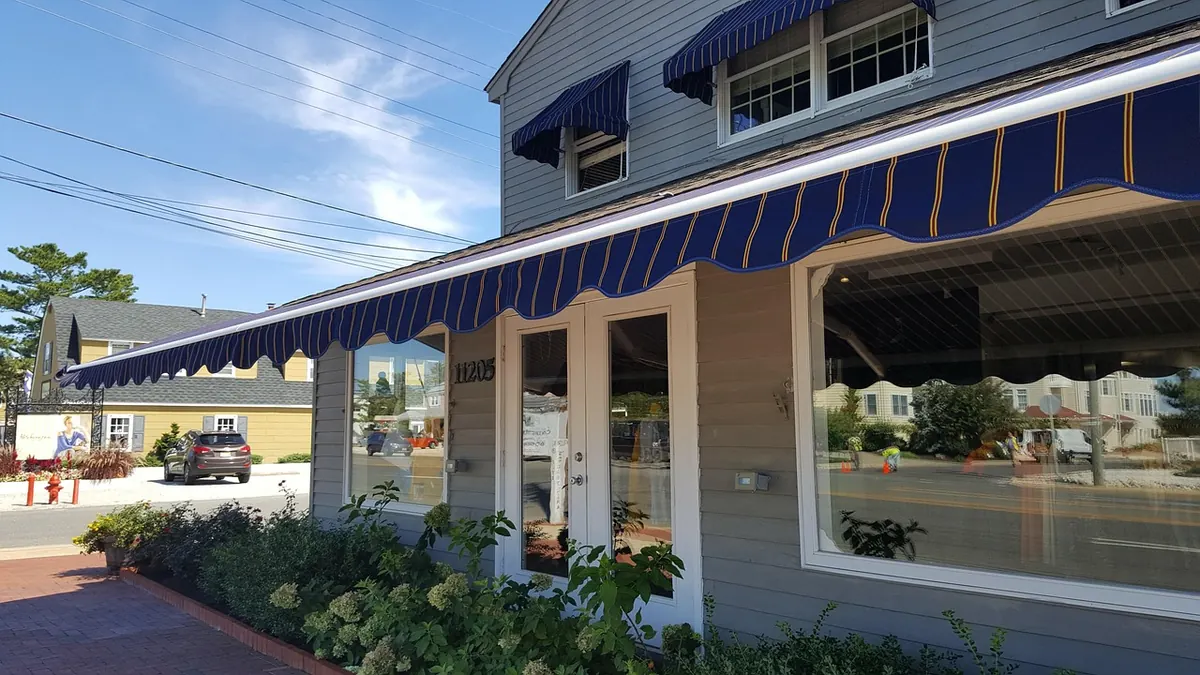
A workshop off a Taunton side street. A coffee roaster working out of a shed near Shepton Mallet. A mobile hairdresser covering Bridgwater and the villages around it. Most businesses in Somerset don't begin with an investor or a polished plan — they begin with someone who knows how to do a thing, plus a spare room, a garage or a market pitch.
That's the good part. The less good part is that the paperwork doesn't care how small you are. Registration, licensing and tax each switch on at different points, and the rules run on a different clock depending on whether you're selling coffee, cutting hair or letting out a holiday cottage. Here's what actually needs doing, roughly in order.
Sole trader, limited company, or partnership. Sole trader is the simplest: you register with HMRC, file a self-assessment return each year, and you and the business are the same legal person — which means you're personally on the hook for its debts. A limited company is a separate legal entity; you register it with Companies House, and being a director carries duties well beyond filing accounts. A partnership needs a written agreement setting out who owns what, who decides what, and what happens when someone wants out.
If you're testing an idea, sole trader is often enough. If you're taking on premises, staff or real financial risk, spend half an hour with an accountant before you commit. That conversation is almost always cheaper than unpicking a wrong choice eighteen months later.
Somerset Council handles most of the licensing you'll encounter, and what you need depends entirely on what you do.
Any food business — café, food truck, farm shop selling prepared food, or a home kitchen baking cakes to order — must register with the local authority at least 28 days before trading. Registration itself is free. You'll need food hygiene training appropriate to your role, and you will be inspected.
Selling alcohol requires a premises licence, and normally a personal licence held by at least one person. Pubs, clubs, restaurants and shops all fall under this. Late-night refreshment carries its own rules, so check before you plan your opening hours.
Street trading consent, market pitches and pavement licences for tables and chairs each have their own application and fee. Market operators often add their own conditions on top, so read both sets of rules.
Plenty of home-based businesses need no planning permission at all, provided there's no noticeable change to the property or the neighbourhood. But if you're taking deliveries all day, converting a barn, or running a holiday let, planning comes into play. Speak to the planning team before you spend money on a conversion.
Other licences you may meet along the way: waste carrier registration if your business moves waste, a music licence if you play recorded or live music in a public space, animal activity licences for boarding, breeding or grooming, and taxi or private hire licensing.
Close to nothing if you start small and online. The costs arrive with premises and people.
Business rates apply to commercial property, but Small Business Rate Relief can reduce or wipe out the bill on smaller premises — check your rateable value and the current thresholds rather than assuming. Insurance matters more than most new owners expect: public liability if customers come to you, contents and stock cover, business use added to your vehicle insurance if you drive for work, and employer's liability if you have staff. Licence fees vary by type and are set out plainly on the council's application pages.
Budget for the dull things too — an accountant, invoicing software, and a small contingency. On money, tax and legal questions, get proper advice: an accountant who regularly works with small businesses, or a solicitor for leases and partnership agreements. A commercial lease is the one document you should never sign without reading it properly first.
The Somerset businesses that last tend to be the ones that started small and adjusted. Test at a market stall before signing a lease. Take orders before buying the equipment. Register, get the licence you genuinely need, keep clean records from day one, and ask the council a question rather than guessing at an answer.
The paperwork is finite. Most of it can be done over a few evenings, and most of the help available locally is free. Get the structure and the permissions right first — then get on with the part you're actually good at.
Photo: mastma / Pixabay

From permits and insurance to potluck sign-ups and the final sweep, a practical checklist for organizing a...

A first-timer's guide to Somerset High School football on Friday nights: ticket prices, parking, seating,...

Somerset's small plaques, boundary stones and flood marks remember the people and trades the grand monuments ignore....

Local news and stories from Somerset.
