
Summer sports in Somerset don't really begin on the first hot morning of July. They begin in March, in a kitchen, when registration opens and someone remembers they need a birth certificate.
Families who sail through the season aren't simply lucky. They know which league runs which sport, what the fee actually covers, and which forms need a signature before the first practice. What follows is the whole process, start to finish.
More than one organization runs youth sports in town, and they don't share a calendar. Before you pay anyone, figure out who is actually running the sport your child wants to play.
Town recreation programs are the usual starting point: lower fees, local fields, practices close to home, and a philosophy that leans toward participation over standings. Registration is handled through the municipal parks and recreation office.
Travel and club teams are a different animal. Tryouts, higher fees, weekend tournaments, and a real travel commitment for at least one parent. If your family's summer already includes camp schedules and shared custody weekends, be honest about whether you can make that work before you accept a roster spot.
School-affiliated and summer enrichment programs — conditioning weeks, sports camps, learn-to-swim sessions — often run on their own short registration windows and fill quickly. They're a good low-pressure way to try a sport without a season-long commitment.
If you're not sure which is which, call the recreation office and ask. One five-minute phone call beats a season of confusion.
Most summer programs open registration in late winter or early spring and close in May, or earlier if rosters fill. That's the pattern worth planning around: sign-ups for July sports typically happen while there's still snow on the ground.
Late registration is possible, but it usually means a waitlist, a slightly higher fee, or a uniform that arrives after the first game. In sports with limited field space or a cap on coaches, the roster closing early is the norm rather than the exception.
Check three places for exact dates and times:
Registration fees generally pay for field and gym permits, referees or officials, insurance, coach training, and uniforms or jerseys. They rarely cover personal gear — cleats, shin guards, a mouthguard, a good water bottle — or travel costs for tournaments.
A few things worth asking about while you have someone on the phone:
On anything involving an assistance application or a formal waiver, deal directly with the recreation office and get their written process — don't rely on what another parent remembers from last year.
Every program is a little different, but most ask for some version of the following. Scan or photograph each document and keep them in one folder on your phone; you'll reuse them every season.
Arrive fifteen or twenty minutes early. The first session is usually part check-in, part assessment — coaches want to see who can throw, run, kick, or swim before they sort teams. That's normal, and it isn't a tryout in most recreation leagues.
Send your child with a labeled water bottle, the right footwear, sunscreen already applied, and gear marked with a name. Bring a copy of the emergency contact information, even if you submitted it online.
For parents, the useful questions are practical ones: What nights do we practice? Which app does the coach use for messages? What happens when it rains? Where exactly do we pick up, and at what time? Who do I contact if there's a problem I don't want to raise in front of the whole sideline?
Introduce yourself to the coach, then step back. Youth sports run on parent volunteers, and the coach who just met twenty-five eight-year-olds will remember the parent who offered to help far longer than the one who offered advice.
Put practice times in a shared family calendar the same day you get the schedule, and agree on a pickup plan before the first week, not during it. Label the uniform, the cleats, and the water bottle — the lost-and-found bin at every field in town is a monument to unlabeled gear.
Keep your scanned forms where you can find them, check email and the league's page before heading out on stormy afternoons, and confirm the refund and cancellation policies in writing. And if your child has a health condition that affects how they play, talk with your pediatrician and the league about accommodations well before the first whistle — that conversation is much easier in May than in July.

From permits and insurance to potluck sign-ups and the final sweep, a practical checklist for organizing a...
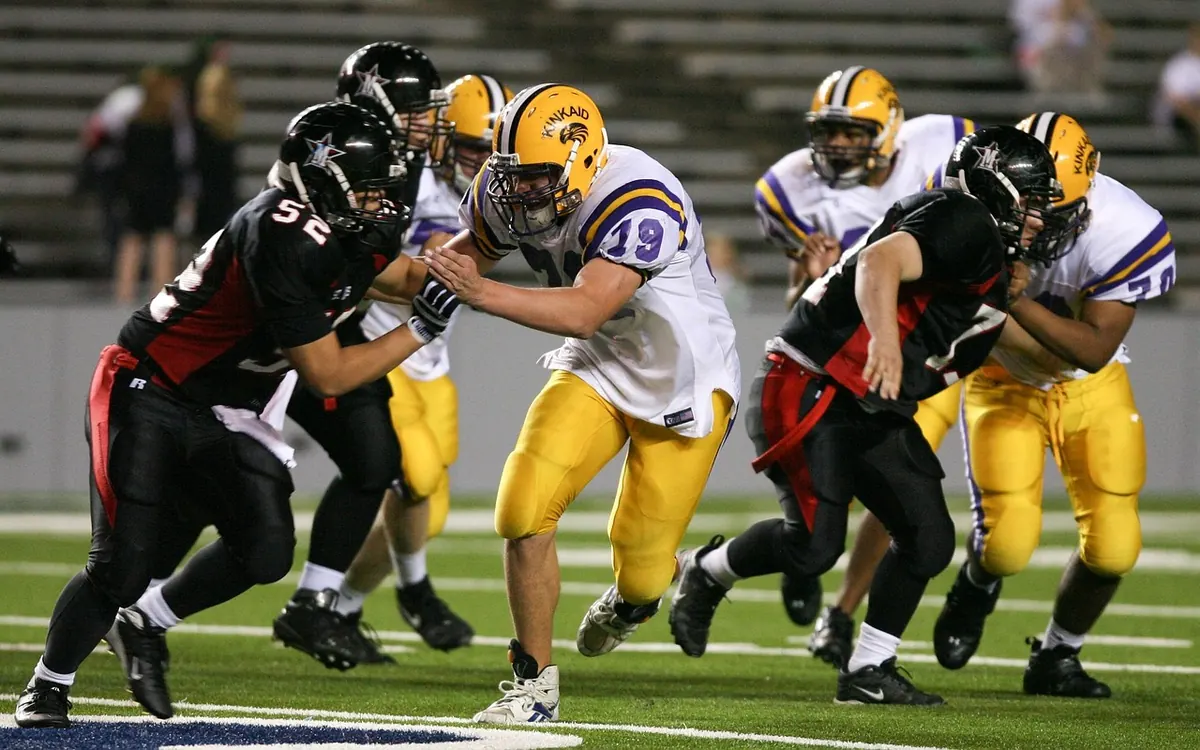
A first-timer's guide to Somerset High School football on Friday nights: ticket prices, parking, seating,...

Somerset's small plaques, boundary stones and flood marks remember the people and trades the grand monuments ignore....


Local news and stories from Somerset.
